Why Tyler Relph Basketball Lab is the #1 Basketball Experience in DFW
If you’re searching for the best DFW basketball training, one name consistently stands above the rest: Tyler Relph Basketball Lab.
With elite training locations in Addison, Texas and Frisco, Texas, Tyler Relph Basketball Lab has become the premier destination for players who want more than just another workout. It offers a complete basketball experience that combines world-class skill development, professional coaching, competitive energy, and a community dedicated to helping athletes reach their full potential.
Whether you’re an elementary school player learning the fundamentals, a high school athlete preparing for varsity, or a college or professional player sharpening your game, Tyler Relph Basketball Lab provides an environment built for growth.
More Than Basketball Training—A Complete Basketball Experience
There are plenty of places that offer basketball workouts. Very few create an experience players genuinely look forward to every week.
At Tyler Relph Basketball Lab, every session is intentionally designed to be:
- High-energy and competitive
- Skill-focused with game-realistic drills
- Fast-paced to maximize repetitions
- Challenging for every skill level
- Fun enough that players can’t wait to come back
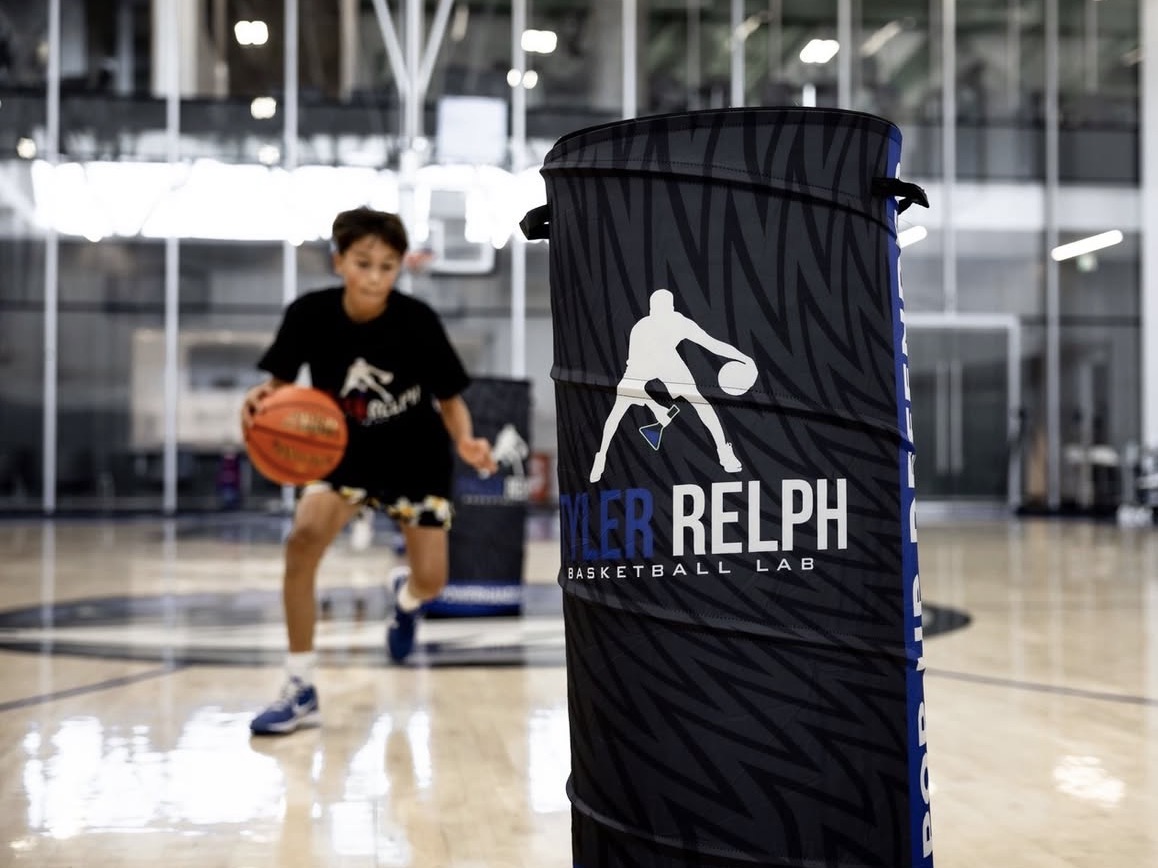
The Lab isn’t about running lines or doing generic cone drills. Every workout is designed to help athletes become better game players by improving decision-making, confidence, scoring ability, and basketball IQ.
That’s what separates Tyler Relph Basketball from traditional basketball training.
Elite Basketball Training in Addison, Texas
The Addison Basketball Lab has become one of the premier destinations for basketball training in Addison, Texas.
Players from throughout North Dallas—including Dallas, Carrollton, Farmers Branch, Plano, Richardson, Coppell, and surrounding communities—train weekly to improve their skills with coaches who understand modern player development.
Training programs include:
- Ball handling
- Shooting mechanics
- Finishing around the basket
- Footwork
- Game moves
- Decision-making
- Basketball IQ
- Position-specific skill work
Every athlete is challenged at their level while developing habits that translate directly into real games.
Premier Basketball Training in Frisco, Texas
The Frisco Basketball Lab, located at The Star in Frisco, brings the same elite Tyler Relph Basketball experience to one of the fastest-growing sports communities in Texas.
Families searching for basketball training in Frisco, Texas appreciate the Lab’s professional environment, structured curriculum, and coaching staff that genuinely invests in player development.
The Frisco location serves athletes from:
- Frisco
- Prosper
- Celina
- Little Elm
- McKinney
- Allen
- Plano
- The Colony
- North Dallas
No matter where players begin, the mission remains the same: help them become more skilled, more confident, and more prepared for competition.
A Proven Training Philosophy
What makes Tyler Relph Basketball Lab different isn’t just the drills—it’s the philosophy.
Players don’t simply repeat movements.
They learn:
- Why a move works
- When to use it
- How to read defenders
- How to create advantages
- How to make smarter basketball decisions
Every workout connects individual skill development to real game situations, helping players become complete offensive threats instead of just better practice players.
Coaching That Raises the Standard
Great facilities matter.
Great equipment matters.
But great coaching changes players.
The coaching staff at Tyler Relph Basketball Lab creates an atmosphere where athletes are pushed, encouraged, corrected, and celebrated. Every coach shares the same commitment to helping players improve while building confidence and accountability.
The result is a positive, competitive culture that players and families love being part of.
Programs for Every Age and Skill Level
One reason Tyler Relph Basketball Lab has become a leader in DFW basketball is that there is a pathway for every player.
Programs include:
- Youth basketball development
- Middle school skill training
- High school player development
- Elite scoring workouts
- Shooting development
- Position-specific training
- Camps and clinics
- Small group instruction
- Competitive skill sessions
Whether a player is picking up a basketball for the first time or preparing for collegiate basketball, there’s a program designed to help them improve.
Why Families Choose Tyler Relph Basketball Lab
Parents consistently choose Tyler Relph Basketball Lab because they see measurable improvement—not only in basketball skills, but also in confidence, discipline, and work ethic.
Players develop:
- Better shooting consistency
- Improved ball handling
- Stronger basketball IQ
- Greater confidence
- Competitive mindset
- Leadership skills
- Love for the game
The Lab becomes more than a place to train—it becomes a community where players are challenged to become the best version of themselves.
Experience the Best Basketball Training in DFW
If you’re looking for the best basketball training in Addison, Texas, basketball training in Frisco, Texas, or simply the premier DFW basketball experience, Tyler Relph Basketball Lab continues to set the standard.
Every workout is intentional.
Every coach is invested.
Every player is challenged.
That’s why so many athletes across North Texas choose Tyler Relph Basketball Lab to elevate their game.
Ready to Train?
Join the thousands of athletes who have experienced why Tyler Relph Basketball Lab is considered the #1 basketball training destination in DFW.
Whether you visit our Addison location or train with us at The Star in Frisco, you’ll discover a basketball experience designed to help you play with more confidence, more skill, and more passion than ever before.